


Saint Antony the Great: Why Silence Is Not Escapism but Strength

January is not loud. It does not ask us to celebrate, perform, or keep pace.It asks us to remain. In the quiet stretch after Christmas — when resolutions falter and the world accelerates again — the witness of Saint Antony the Great feels unexpectedly modern.
Antony did not flee the world because he despised it.He withdrew so that he could see it clearly.

A Life Turned Toward Stillness
Born in Egypt in the third century, Antony was a young man of means. After hearing the Gospel call to “sell what you have,” he gave away his possessions and retreated into the desert. There, he lived a life of prayer, fasting, and radical simplicity.
The desert was not peaceful. It was stark, frightening, and full of temptation.
Antony’s struggles were not theoretical. The early sources describe battles with fear, distraction, and inner turmoil — not unlike the restlessness many people experience today, only now magnified by constant noise and urgency.
Antony became known not for harshness, but for clarity.
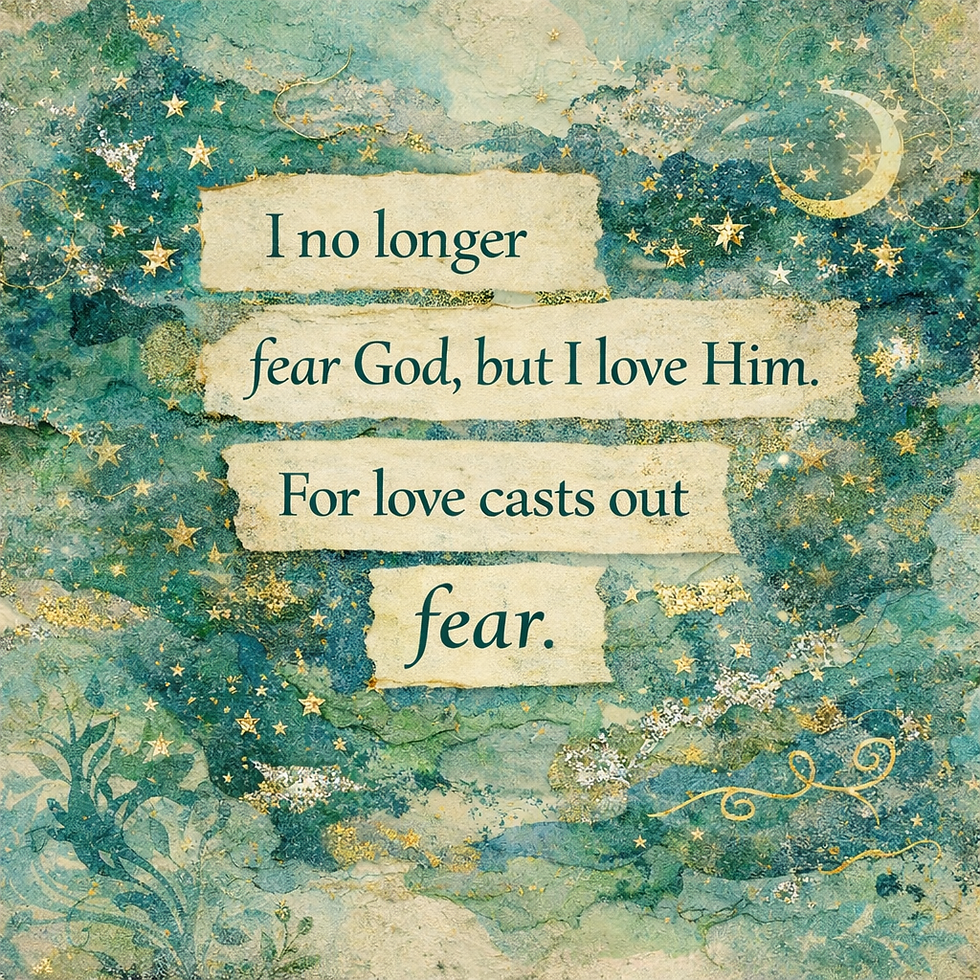
One saying attributed to him in the Sayings of the Desert Fathers is telling:
“I no longer fear God, but I love Him.For love casts out fear.”
This is not bravado. It is the fruit of long attention.
The Desert as a Teacher
The desert fathers understood something we often forget: silence reveals what noise conceals. When distractions fall away, we meet ourselves — our anxieties, our longings, and our dependence on God. Antony’s holiness was not formed through productivity or intensity, but through patience and presence.
This is why his wisdom speaks so clearly into modern life.
We are not short of information.We are short of stillness.
Why Repetition Steadies the Heart
Antony prayed the Psalms repeatedly and slowly, allowing the words to settle into the body. This rhythm — steady, embodied, unhurried — mirrors the practice of prayer beads.
Bead by bead.Breath by breath. Repetitive prayer does not dull the mind; it anchors it. It gives the restless heart something faithful to return to when thoughts scatter. In this way, prayer beads are not decorative objects.They are practical aids to trust.
Craft, Wood, and the Spirituality of Simplicity
The desert fathers used what was close at hand: stone, wood, rope. Nothing ornamental. Nothing excessive. There is a quiet theology here. Natural materials remind us that faith is not abstract. It is practiced — shaped by hands, time, and care. Objects made slowly invite us to slow down in return.
In Ordinary Time, honest materials speak louder than embellishment.

Learning to Love Without Fear
Saint Antony did not promise escape from difficulty.He showed what it looks like to remain faithful within it. His life teaches that silence is not avoidance, and withdrawal is not weakness. Choosing stillness in a noisy world is an act of courage.
January does not ask us to perfect ourselves. It asks us to return. And perhaps, like Antony, to learn a deeper truth:that fear fades not through control — but through love.


Comments